
 Jen Frank
I was working with a group of women leaders recently, teaching one of my favorite skills: getting commitment (aka delegation). I told the group this is the skill my seasoned executive coaching clients appreciate learning most because it explains why, for decades, they felt they had clearly assigned tasks that their people never completed.
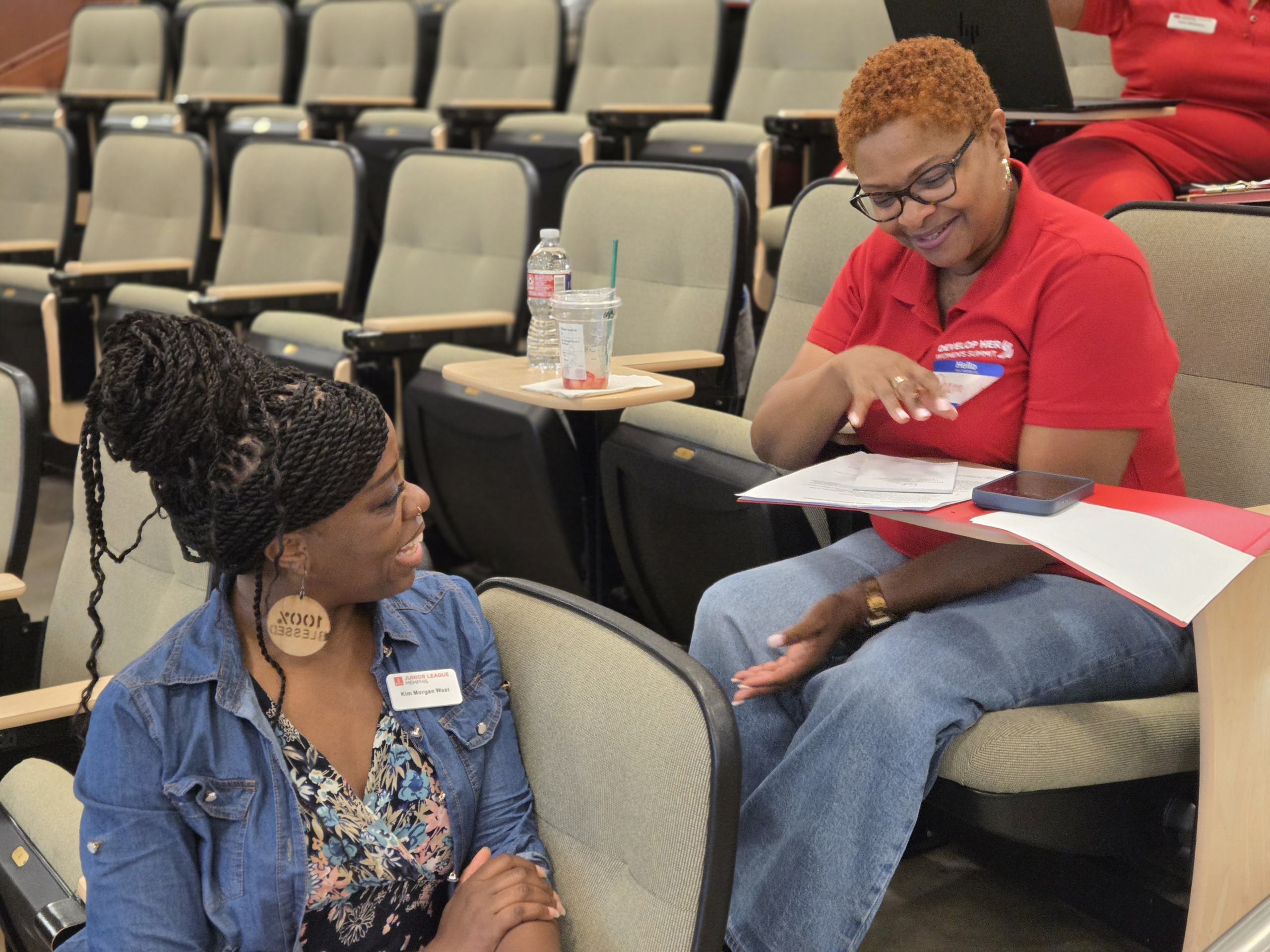
After a bit of teaching and discussion, everyone practiced the 6-step delegation model with a partner. Then we reflected. One person said that in that 10-minute exercise, she was clearer about what was expected of her than she had been in 14 years in the workplace! That’s how big the gap can be between assigning a task and actually getting commitment.
Great leadership and management aren’t mysterious; they’re made up of skills that can be learned and practiced. The problem is, most of us were never taught them. (I have an MBA, and I don’t remember learning how to delegate, give feedback, ask empowering questions, or listen—exactly the skills managers need to set clear expectations and hold others accountable.)
Instead, we take strong individual contributors (ICs) and promote them into managing others—and expect them to figure it out. But what made them successful as an IC won’t make them a successful manager. And we typically give them zero additional training. That leaves people feeling like there’s a secret to leading that others know or intuit. There isn’t; people just need training or coaching.
So what were my seasoned executives doing when delegating that led to ineffective results? First, they assumed that nodding and smiling from their people meant understanding and commitment. It doesn’t. Second, they didn’t engage their employee in a real conversation about the task or project—so there was no back-and-forth to clarify expectations, surface concerns, or confirm ownership. The result was that things didn’t get done correctly (or at all), and everyone ended up a little frustrated.
If you or your team are struggling with follow-through, you likely have a skills gap that’s fixable with coaching and training. And don’t be thrown off by the title “Executive Coach.” Executive coaching isn’t just for senior leaders. It’s for anyone who wants to get better at the human side of work, whether you’re leading a team now or are about to.
Where are you assuming alignment that hasn’t actually been confirmed? Where do you or your team need more clarity—or more training?
P.S. Your comments are welcome on this post at https://www.linkedin.com/in/jenfrankcoaching/. I’d love to hear: What management skills do you wish you’d learned earlier?